Showing posts with label characteristic. Show all posts

Wednesday, March 06, 2024

Yellow Tea Characteristics

Yellow tea, a lesser-known gem in the world of teas, possesses a rich history and distinct characteristics that set it apart from other varieties. Originating from China, yellow tea is a unique beverage derived from the leaves of the Camellia sinensis plant.

Yellow tea's production is primarily concentrated in provinces such as Sichuan, Anhui, Hunan, Hubei, Guangdong, Zhejiang, and Guizhou, each region contributing its own nuances to the tea's flavor and aroma. What distinguishes yellow tea from its counterparts is its meticulous processing method. Unlike green tea, which is simply dried after harvesting, yellow tea undergoes an additional step called "sealed yellowing." This process involves sealing the leaves in a damp environment, allowing for a gentle fermentation that imparts a mellow and refreshing taste.

The characteristics of yellow tea are captivating. Its flavor profile is often described as delicate and subtly sweet, with hints of floral and grassy notes. Moreover, the tea's appearance is notable for its "Three Yellows" – a reference to the yellow-green color of the leaves, the golden hue of the liquor, and the yellowish tint of the brewed leaves.

Delving into the historical context of yellow tea reveals its deep-rooted significance in Chinese tea culture. Historical records trace its origins back to the Tang Dynasty, a period spanning from 618 to 907 CE. Since its discovery, yellow tea has evolved alongside Chinese tea culture, with continuous refinement of processing techniques to enhance its quality and flavor.

Chemical analysis sheds light on the composition and nutritional value of yellow tea. The processing method leads to significant chemical changes in the leaves, resulting in a beverage rich in phenolic compounds, amino acids, soluble sugars, vitamins, and other nutrients. This nutritional profile underscores the health benefits associated with consuming yellow tea, including antioxidant properties and potential cardiovascular benefits.

Examples of yellow tea include Silver Needle, known for its delicate buds; Yellow Soup, prized for its smooth and savory taste; and Big Leaf Green, celebrated for its robust flavor profile.

In conclusion, yellow tea stands as a testament to the diversity and complexity of Chinese tea culture. Its unique qualities, rooted in history and tradition, continue to captivate tea enthusiasts worldwide. Beyond its cultural significance, yellow tea offers a plethora of health benefits, making it a cherished beverage for both enjoyment and wellness.
Yellow Tea Characteristics

Tuesday, December 28, 2021

Characteristics of tea leaves

All varieties of tea are made from the leaves of the Camellia sinensis plant. Dried and cured leaves widely used for a beverage, which has a stimulant effect due to caffeine. Tea plant is an evergreen shrub with large number of branches.

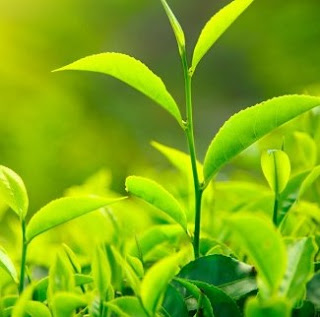
The leaves are light green, short stalked, coriaceous, grow in alternate pattern, lanceolate, serrate edges, glabrous or pubescent beneath. Leaf is hard and thick.

The size varying in length from 5 - 30 cm and about 4 cm width. Mature leaves are bright green colored, smooth and leathery in texture while young leaves are pubescent. Young leaves appear silver because they bear downy hairs on the surface.

Scientists used a leaf venation pattern to help identify the different species of Camellia plants, which means that the vein patterns in the leaves of Camellia species where of supreme importance in order to establish the variation of the species. Venation pattern is an arrangement of veins in a leaf.

Fresh leaves contain about 4% caffeine, as well as related compounds including theobromine.
Characteristics of tea leaves

Monday, December 26, 2016

Characteristics of Darjeeling black tea

Darjeeling in India produces very famous teas with its own characteristic aroma and color. An exceptional, light, golden tea with a delicate taste form one of the world’s finest growing regions, Darjeeling is regarded as the Champagne of teas.

Normally characterized as having bright color, and delicate, with a fresh vibrant and distinctive muscatel character, thin body and an evident astringency, the aromatic profile of Darjeeling tea is highly revered for its ethereal quality, a reason why these teas fetch record prices in tea auctions.

For the connoisseur, Darjeeling is best enjoyed black due to its light and delicate nature.

The aroma of Darjeeling teas is between two types of tea, Keemun (aroma: rosy and woody note) and Uva (sweet flower-like fragrance).

The pleasant flowery notes of linalool oxides have been especially observed in high-quality Darjeeling black tea. Darjeeling tea also contains high geraniol and it so considered to be genetic characteristic.

It has been estimated that the tea of Darjeeling contains three times higher amount of volatiles than does Assam orthodox tea. Moreover, the content of monoterpene alcohols is about five times higher in Darjeeling tea as compared to the plain North-east Indian tea.

Darjeeling black teas undergo a much lighter and more delicate fermentation process compared with other black tea: the leaves are almost semi0oxidised which can often be seen by the mixture of black, golden and light brown leaves with hints of green noticeable in a fine quality Darjeeling.
Characteristics of Darjeeling black tea

Tuesday, September 27, 2016

Assam tea

Tea produced in the Assam valley of North East India is normally referred to as Assam tea.

In India, Assam plays a dominant role in the country’s tea-map by producing more than half of the total tea production of India. The encouragement by the colonial government and initiatives by private tea planters made rapid flourishing of tea industry in the state.

Tea in Assam acquires special characteristics due to genetic and environmental interactions. Assam tea is the product of the plant Camellia sinensis var. assamica, whether grown in Assam or Darjeeling. Cultural practices and the manufacturing process also play an important in the development of the unique characteristics of the end product.

Development of the qualifying Assam characteristics in the Brahmaputra valley is determined primarily by the polyphenols present specifically catechins.

Assam teas are rich and dense with a dark reddish-amber color. Some have a thick malty flavor, while others have characteristics that impart a subtle, dark raspberry jam flavor. Assam tea is sturdy and bold and parts well with milk and sugar.

Cream, which settles down on the cooling of a tea infusions, is a measure of Assam tea quality. The color of this cream varies from orange to a brown. The creaming property is measured by the cream index which is a measure of the quality of cream.
Assam tea

Thursday, April 23, 2015

Darjeeling tea

Darjeeling, a hill station on the Himalaya, is situated at an altitude of 7000 feet. It produced the world’s finest tea which has often been called the ‘champagne of tea’.

Darjeeling tea is what it is because of its quality, reputation and characteristics, all of which are essentially attributable to its geographical origin.

Indian Darjeeling tea enjoys a reputation as one of the best teas for flavor and quality. For probably more than 150 years it has been grown and produced in privately owned tea gardens.

The tea is grown at various altitudes up to 6,500 feet although the average is between 3,000 and 4,000 feet.

Darjeeling tea that is worthy of its name cannot be grown or manufactured anywhere else in the world. It cannot be replicating anywhere. It is protected by the Tea Board and the Ministry of Commerce under the norms of the TRIPS Agreement of the WTO.

Darjeeling teas are characterized by the presence of an abundance of fine hairy growth on the underside of the leaf on the bud and sometimes even on the stalk. This pubescence is called ‘tip’ and it is the ‘tippy’ teas that denote quality.
Darjeeling tea

Popular Posts

BannerFans.com